Missing Teeth? Know Your Options for Replacement
Missing teeth can affect much more than just your smile. They can make chewing difficult, affect speech, reduce confidence, and even impact the alignment of surrounding teeth over time. Replacing missing teeth is important not only for appearance but also for maintaining proper oral function and overall dental health.
Today, there are different options available for tooth replacement depending on the number of missing teeth, the condition of the mouth, and the patient’s needs. Some of the commonly recommended options include dental implants, crowns over implants, and complete dentures.
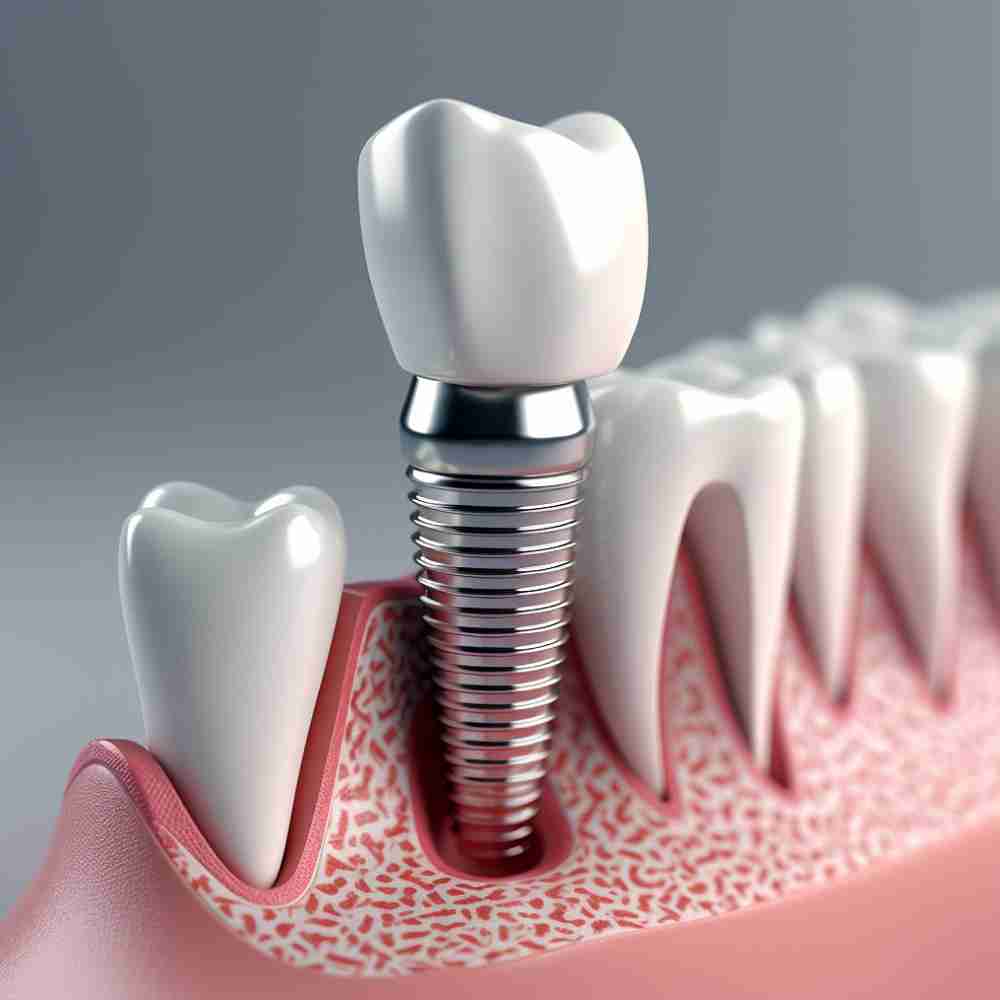
A dental implant is considered a long-term solution for replacing a missing tooth. It is designed to provide stability, function, and a more natural feel. Once completed with an implant crown, it can help restore both appearance and chewing efficiency. Dental implants are often preferred by patients looking for a fixed replacement option.
An implant crown is the visible tooth-like part placed over the dental implant. It completes the restoration and helps the missing tooth look and function more naturally. This option can offer a strong and lasting replacement when suitable for the patient.
For patients who have lost all teeth in the upper or lower jaw, complete dentures may be advised. These are removable appliances that help restore basic chewing, facial support, and smile appearance. Dentures can be a practical option for full-arch tooth replacement.
The right treatment depends on several factors, including oral health condition, bone support, budget, and clinical suitability. A proper dental examination is important before deciding the most suitable replacement option.
Replacing missing teeth at the right time can help prevent further complications such as shifting of nearby teeth, bite problems, and difficulty in daily eating. It can also help improve confidence and quality of life.
If you have one or more missing teeth, it is best to seek professional advice and understand the available options. Choosing the right replacement method can make a significant difference in comfort, function, and long-term oral health.


